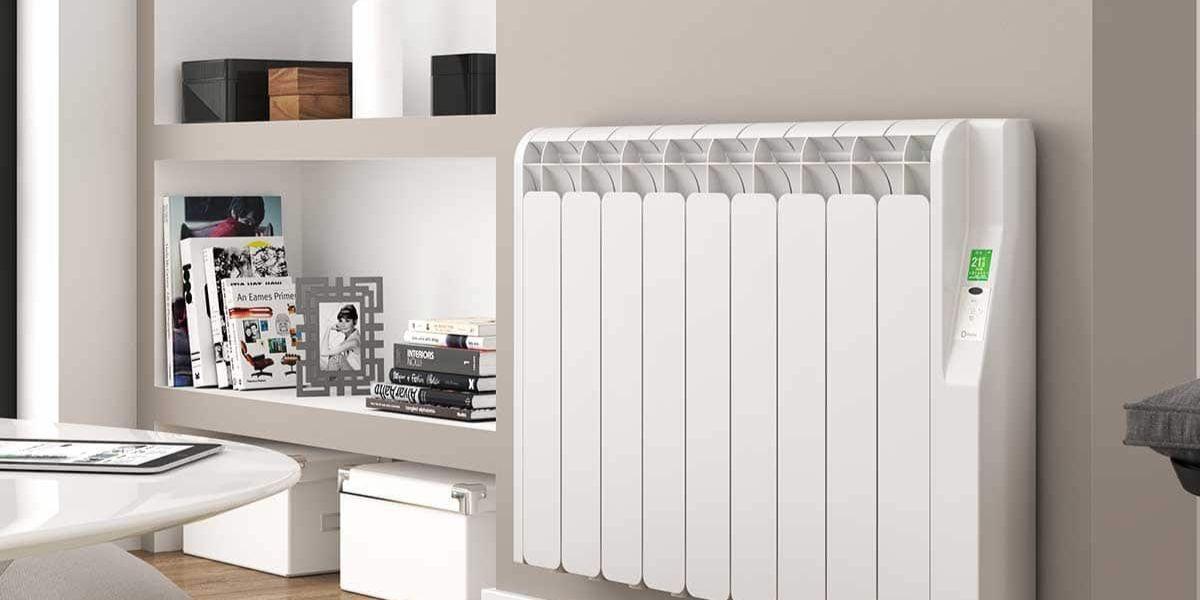
Electric radiators for installation in homes, businesses, schools, or institutions usually come in different variants, which we will choose according to our needs. In the case of electric radiators, we can see that it is an excellent option if what we are looking for is to install heating for the winter in our home without the need for renovations or incurring additional expenses.
What is an electric radiator and how does it work?
If we focus on the main question, we can see that an electric radiator is a type of radiator that operates using electrical current, which causes the resistances inside it to heat up and, in turn, emit heat. Depending on how we program it, whether with a designated power or a target temperature, the electric radiator will take care of climate control in the room where it is installed, and upon reaching the proposed temperature target, it will regulate this to maintain appropriate climate control while achieving high energy efficiency.
What types of electric radiators exist?
Currently, we can find a multitude of variants within the universe of electric radiators, among which the following options stand out.
Oil radiator
This type of radiator is increasingly falling out of use, as aesthetically they are not one of the best options due to their outdated design and bulky space requirements, which is why they are being sold less and less.
However, it is an excellent choice if what you are looking for is to have them portable to all places or locations in the home, as they mostly incorporate wheels on the base for easy transportation. Oil radiators are an unbeatable option for heating the home, where we can enjoy their warmth once we disconnect them from the power supply, due to their internal oil fluid, which will continue to emit heat for a short time until the internal oil itself cools down.
Low consumption electric radiator
If the goal is to minimize the electricity bill and be environmentally sustainable, the option of a low-consumption electric radiator will be an unbeatable idea, as it will operate in the same way as a conventional electric radiator, although it will only feature innovative technologies for better electricity utilization and will be programmed to be more budget-friendly.
There are many options today that incorporate various low consumption certifications. These low consumption electric radiators are highly recommended for apartments with few hours of use per day, approximately 5-6 hours a day.
Dry technology electric radiator
This type of radiator is characterized by not having any type of fluid inside. The electric radiator with dry technology heats the home through its internal resistances and emits heat through the material it is made of, as we can find dry technology radiators made of sheet metal, aluminum, or mica, which will be characterized by a quick heating of the area to be climatized.
If you choose this same technology but made of ceramic or marble, we will have greater thermal inertia, which will help save energy as well as maintain a suitable temperature in the home.
What to consider when buying an Electric Radiator
If we are thinking about which type of radiator is best for the home, you have surely considered the option of incorporating electric radiators instead of the usual and well-known water radiators. To determine if electric radiators are the most suitable option for the home, we need to understand the differences that exist with their water counterpart and then make a decision about which one we should buy.
As a main difference, we can find that electric radiators must be connected to the electrical network, while water radiators will only work if we have an existing domestic hot water distribution system in the home. In this way, we will have instant heating, without renovations or installations.
Likewise, electric radiators will be more cost-effective if we have a small area to heat or if we use the home radiators for less than 5 hours a day, as this way the use of electric radiators will be more suitable for the home.
Electric radiators have independent regulation for each one installed in the home, allowing us to manage the different areas of our home and thus generate greater savings. Conversely, if we had water radiators in our home, the circuit would operate for all radiators, and we would not save energy nor would it be environmentally friendly.
The most efficient electric radiators
If you are looking to achieve optimal climate control without having to spend a large amount of money during the winter, we present some options that will be to your liking. With different technologies, as well as designs, features, and connectivity to adapt to all homes and the various needs of each family.
Ducasa electric radiators
Experts in all types of home climate control, Ducasa, offer a range of low-consumption electric radiators that also incorporate WiFi technology in their control and management system. With different devices to heat the home, as well as various types of electric radiators. Discover the entire Ducasa range of electric radiators at GroupSumi.
Advantages and disadvantages of Electric Radiators
Advantages
Easy installation and maintenance: electric radiators do not require pipes or fuel, making their installation straightforward and not needing periodic maintenance.
Temperature control: electric radiators have thermostats that allow for precise and comfortable temperature control.
Instant heat: electric radiators heat up quickly, providing heat instantly.
Safety: electric radiators do not emit toxic gases or generate flames, making them safer than gas radiators.
Disadvantages
Cost of electricity: electricity is a more expensive energy source than others, which can make the use of electric radiators more costly.
Limited power: electric radiators have limited power, so they are not suitable for heating large spaces.
Dependence on the power grid: in the event of a power outage, electric radiators will stop working.
CO2 emissions: although electric radiators do not emit toxic gases, electricity generation does produce CO2 emissions.