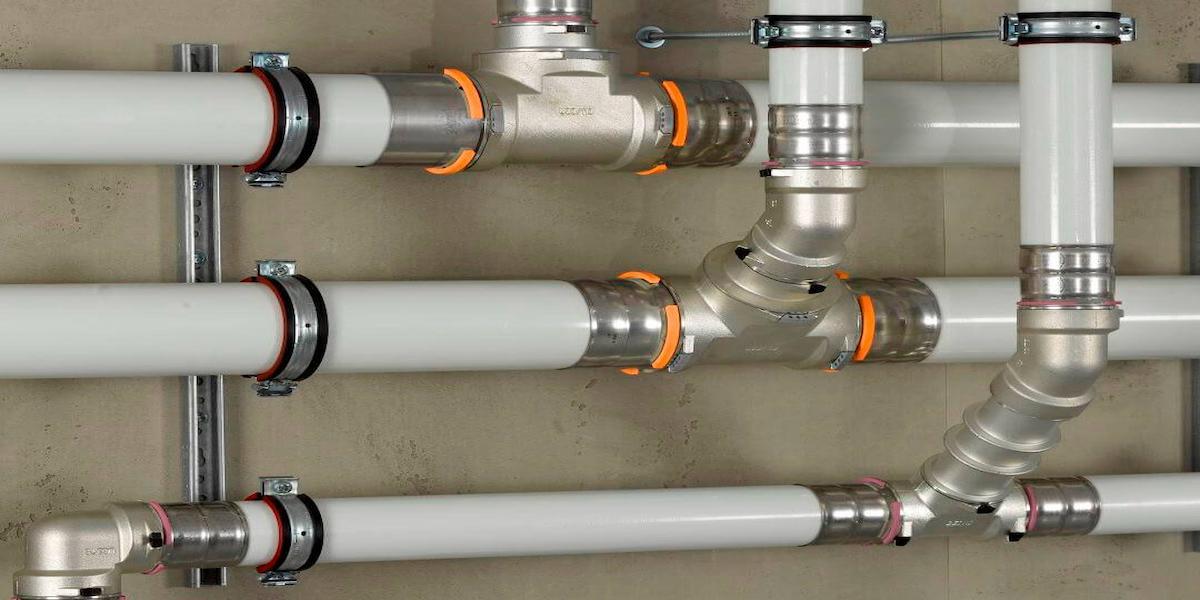
Although today multilayer pipes are an excellent option for new installations, they have a wide range of disadvantages that you should know and take into account.
We show you 10 disadvantages of multilayer pipes so that you can take them into account before your purchase and thus discover what the best option is for the installation of pipes for the home, businesses, or industrial facilities.
This pipe suitable for the conduction of both cold and hot water inside or outside homes has become popular in recent years due to its high ease of replacing old copper pipes. However, there are various disadvantages regarding its use and installation, which we list for you below:
The 10 Disadvantages of Multilayer Pipe
1. Low Resistance to Temperature Changes
Multilayer piping shows a significant disadvantage by presenting low resistance to temperature changes. This factor can cause deformations and reduce the lifespan of the system, affecting its performance over time. It is crucial to consider this aspect when selecting the material to ensure the durability of the plumbing system.
2. Detachment of the Inner Layer with Hard Water
In the presence of hard water, the inner layer of the multilayer pipe can experience detachment. This phenomenon can compromise the integrity of the system, causing blockages and loss of efficiency in water flow. It is essential to assess the quality of the water before opting for this type of piping and to consider alternatives that are more resistant to hardness conditions.
3. Common Problems in the Joints
Multilayer piping can exhibit recurring problems at the joints, affecting the tightness of the system. The difficulty in achieving secure connections can lead to leaks and seepage, increasing the risk of structural damage. When installing this type of piping, special attention must be paid to the joining techniques to avoid future complications.
4. Loss of Shape Over Time
As time goes by, multilayer pipes tend to lose their original shape. This characteristic can lead to flow problems and irregular water distribution in the plumbing system. Considering the dimensional stability of the material is crucial when planning the installation, as the loss of shape can negatively impact long-term performance.
5. Rapid Propagation of Cracks
In the event of cracks in the multilayer pipe, there is a risk of rapid propagation of these cracks. This behavior can result in extensive damage and increase repair costs. It is essential to implement preventive measures and conduct regular inspections to detect and address any cracks in a timely manner, thus minimizing the potential impact on the integrity of the system.
6. Possible Higher Cost Compared to Alternative Options
Despite its benefits, multilayer piping can be more expensive compared to alternatives available on the market. It is essential to carefully evaluate the budget and consider the specific needs of the project when deciding on the type of piping to use. There may be more economical options that offer equally satisfactory performance.
7. Coming from Non-Renewable and Polluting Sources
An important aspect to consider is that multilayer pipes are made from non-renewable sources and, in some cases, may generate pollution during their manufacturing. Those concerned about sustainability and environmental impact should consider more eco-friendly and environmentally respectful alternatives when selecting materials for their plumbing system.
8. Difficulties in Repairing Cracks
Repairing cracks in multilayer pipes can present challenges, especially in hard-to-reach areas. The complexity of the repair processes can increase costs and the time required to address specific issues. When considering the installation of this type of pipe, it is crucial to take into account the ease of maintenance and repair.
9. Susceptible to Impact Damage
Multilayer pipes can be susceptible to impact damage, which can occur during installation or due to unforeseen events. This damage can compromise the integrity of the system and require immediate repairs. It is recommended to take additional precautions during installation and consider more resistant options in areas prone to physical impacts.
10. Potential Degradation of the Quality of the Water Transported
There is a possibility that multilayer pipes contribute to the degradation of the quality of the water being transported. Some materials used in their manufacturing may release substances that affect the taste or composition of the water. Those who seek to maintain the purity of the water should carefully consider this aspect and explore alternatives that ensure the quality of the transported water.
If you are looking to install Multilayer Pipe in your facilities, we have the largest range of diameters, dimensions, and brands online, as well as various accessories for its installation.